Back in the days, Pokemon cards were among kids who just buy them for fun. In the late 1990s, a pack of five Pokemon cards cost about four dollars. Now, trading cards became a fashionable investment, just like how Labubu became a cultural phenomenon.
The market culture has been growing rapidly in North America and Asia, and it is not only a nostalgia collection purpose. People buy, trade, sell, or even hold in-person events around Pokemon cards. Keiji Umehara, a Youtuber creating content of Pokemon cards in Singapore, said that it became both a hobby and a business.
"Personally, I have been a collector since I was a kid. I like Pokémon, and I collect mainly because I enjoy it. I buy cards, but I do not sell very much," he said.
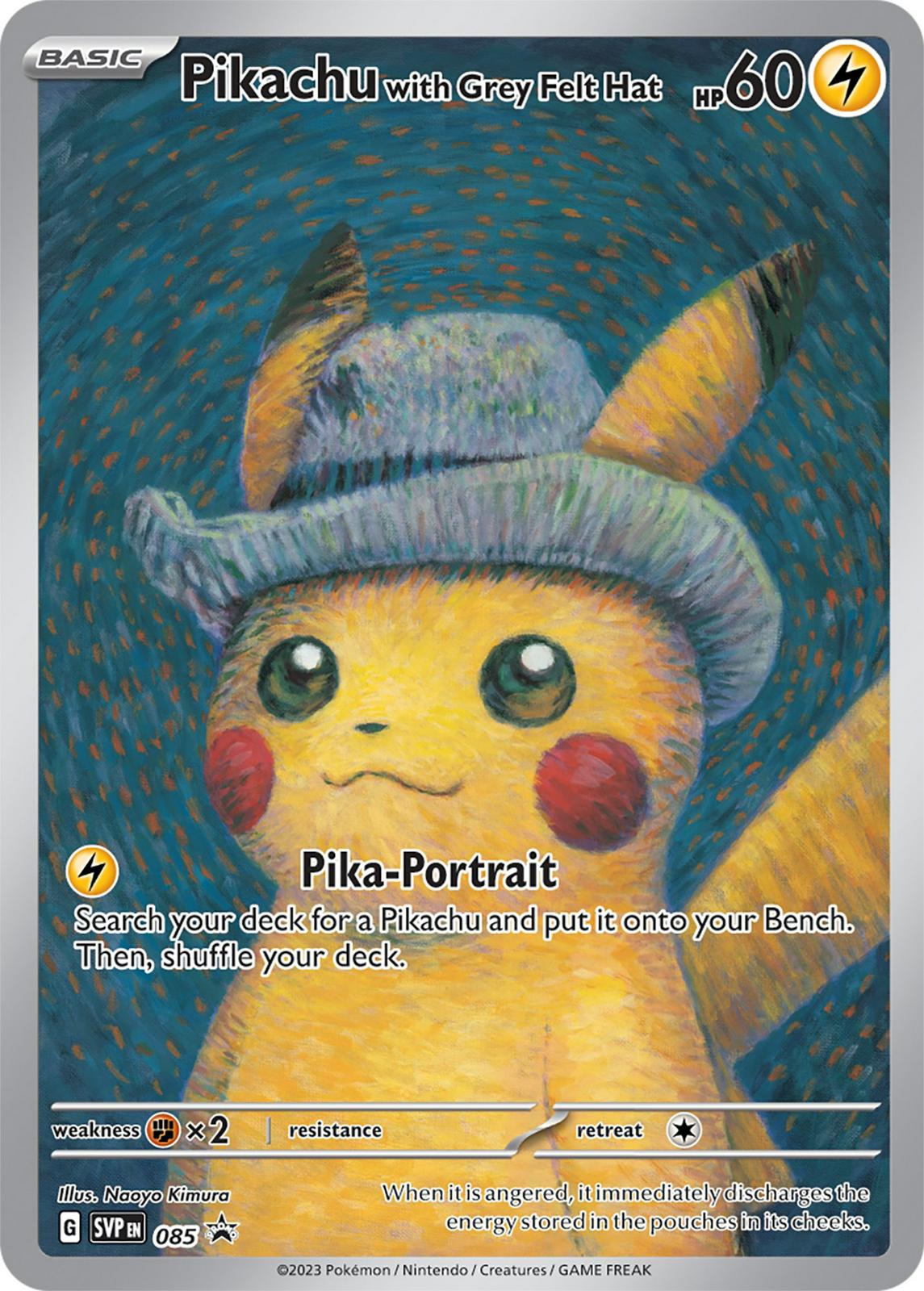
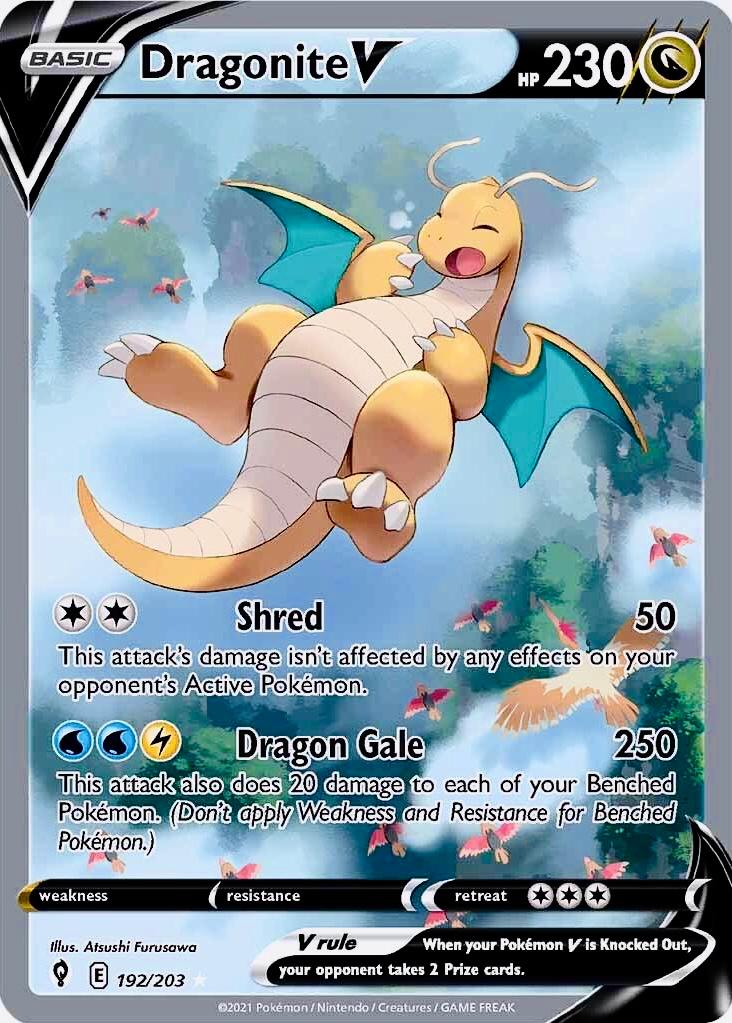
You might be wondering how much are the cards worth changes over time, including the ones above you just guessed. Let's take a look at some of the most expensive Pokemon cards ever sold.
So what actually drives these numbers? Umehara points to a few things that feed off each other.
"The price is influenced by popularity, scarcity, age, condition, and how difficult the card is to obtain."
Popularity is the obvious one. "One major factor is the popularity of the Pokémon itself. Charizard has always been a fan favorite, so many collectors want Charizard cards. That demand keeps the price high," he said. Pikachu, Mew, Mewtwo, Rayquaza, Gengar and Ditto pull the same weight. If enough people love the creature, its cards cost more.
Scarcity is trickier. Cards come in sealed packs, so you never know what you're getting. "A rare card might only appear once in many packs, and even then, it may not be the specific rare card you want," Umehara said. Collectors call this the pull rate.
Grade is everything
Popularity and scarcity set the range. Condition decides where a particular copy lands inside it, and that's PSA's job. The company grades a card from 1 to 10. "A grade of 1 means the card is in very poor condition ... A grade of 10 means the card is almost perfect," Umehara said. A card that's never been graded is "raw," or ungraded: "just the physical card itself."
The gap shows up fast in the price. "An ungraded card might sell for $100, but if that same card receives a PSA 10, it could easily become three to five times more expensive," he said. And it isn't only about condition. "More importantly, it helps confirm that the card is real. There are fake cards in the market, so grading gives buyers more confidence."
Why older cards cost more
Then there's age, which really means sets. Every card belongs to one, and a small symbol on it tells collectors when and where it was printed. "A card can look almost exactly the same, but a small symbol on the card tells you which set it came from," Umehara said. "In general, older sets are more valuable because they are harder to find now." New sets still come out every few months in English, Japanese and other languages, but it's the vintage cards from the late '90s that are hard to track down now.
Exclusivity and the China factor
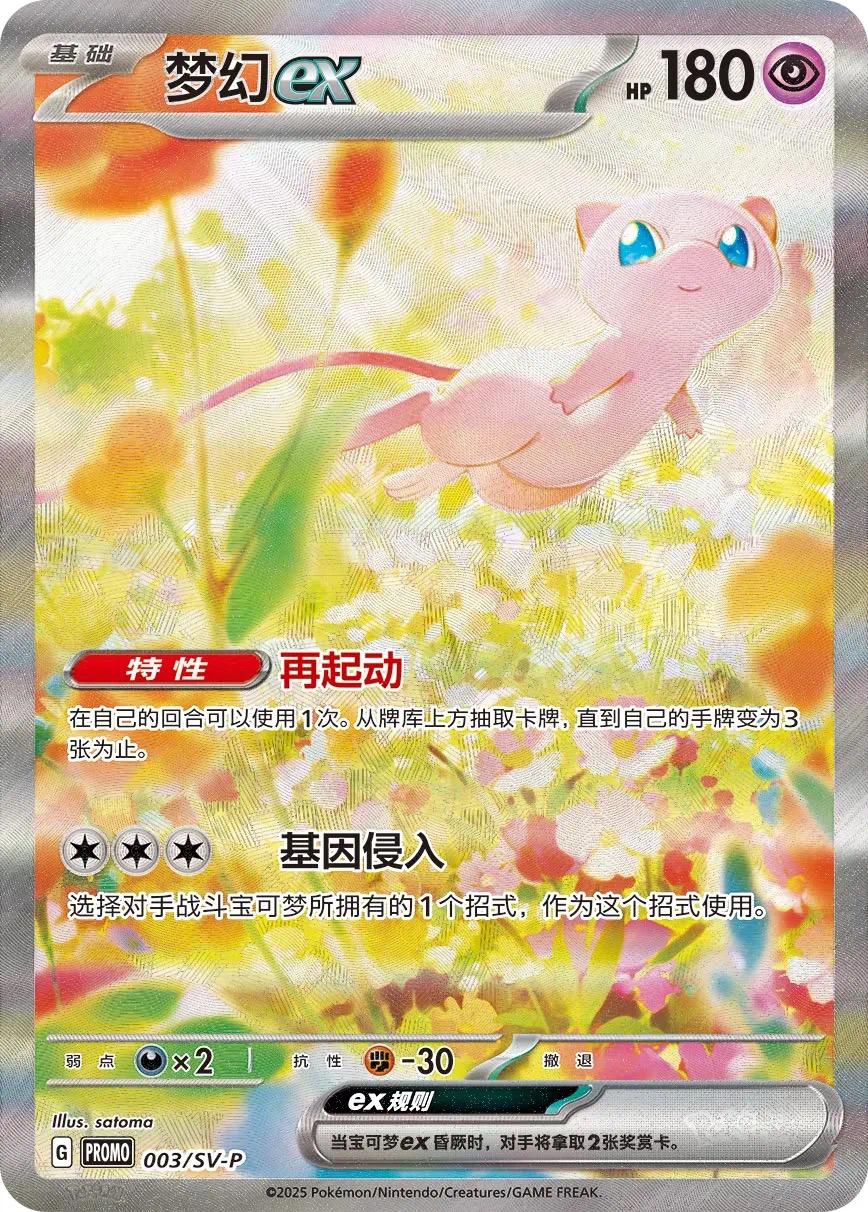
Exclusivity is a lever of its own: cards printed for just one region or language. Take the Chinese Mew from earlier. Umehara says only 1,151 copies were ever made. "When a card has such a limited print run, the price can increase a lot," he said.
It works in reverse, too. "There was a Japanese exclusive Mew card that was very expensive for a while. But when the English version was finally printed, the price dropped a lot. It went from around $400 to about $100," he said. How easy a card is to get matters just as much. A Korean Ditto handed out free at an event, worth maybe $30, jumped to around $200 once the event was over.
China is the part he finds most interesting. It came to the hobby late, but now it has some of the rarest cards around. "I think this is a strategic move by Pokémon to bring Chinese collectors into the scene," he said. "There has historically been tension between China and Japan, but Pokémon has somehow become a bridge."
A hobby that became a business
The boom didn't happen on its own. "A lot of people entered the market because they saw Pokémon cards as something that could increase in value," Umehara said. "The Logan Paul moment also brought a lot of attention to the hobby" — the YouTuber and boxer who wore a $150,000 first-edition Charizard around his neck in 2020.
The money isn't all good news. "In the past, packs might cost around $6 or $7. Now they might cost $11 or $12," he said. "From a collector's point of view, it can be frustrating because prices have gone up." He's not really complaining, though. "I would not say it is completely bad, because I want more people to enjoy the hobby. But with more people entering the market, demand increases, and prices go up. It is a supply-and-demand situation."
In Singapore, where he lives, the hobby is everywhere. "Almost every weekend, there is a new card show happening somewhere," he said — vendors at tables in halls and malls, crowds moving through to buy, sell and trade. He tried it himself not long ago, setting up as a vendor for the first time and filming the day for his channel. He sold part of his collection over two days and walked away with about 28,000 Singapore dollars.
He'd still rather buy face to face, mostly because of fakes. There are a lot of them, and they keep getting better. "Some fake cards are made to look like popular cards and are sold slightly below market price so buyers feel like they are getting a good deal. That is how people get scammed," he said. A photo won't show you a soft corner or a bad edge. Picking the card up will.
The market has cooled off since the Logan Paul days, but the data still says the same thing: a few beloved Pokémon, a few rare prints, and a lot of grown-ups who never really got over the ones they had as kids.
Look up a Pokémon
Curious about a Pokémon of your own? Type a name below to see what its cards have gone for.